Perdido Key: beaches, state park and what to know
Two adjacent protected beaches on one barrier island are run by two different governments — one takes only exact change, the other takes no cash at all.
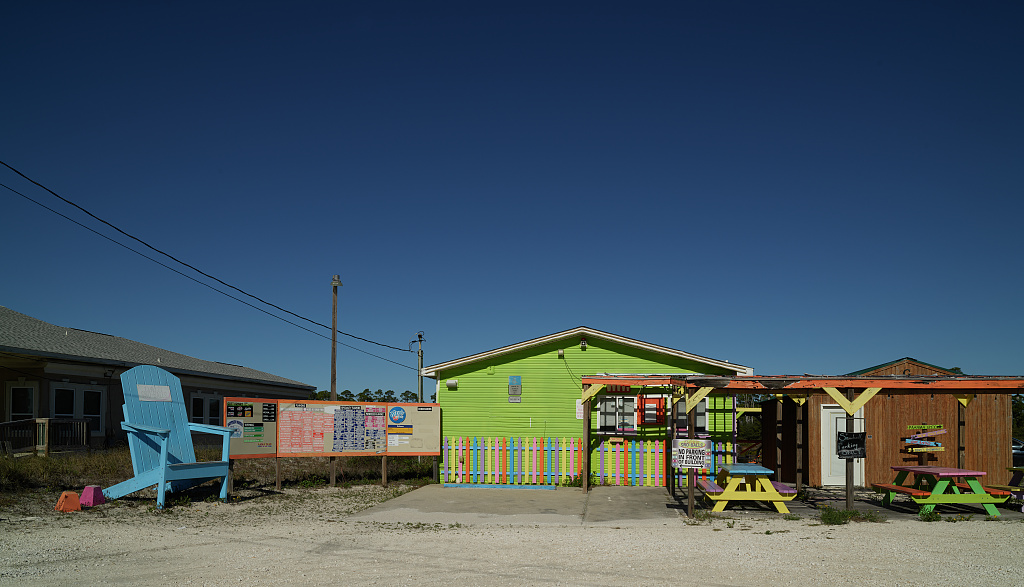
Perdido Key is a barrier island at the far western edge of the Florida Panhandle, straddling the Florida–Alabama line, and the single most useful thing to understand before you drive out there is that its protected beaches are run by two different governments with two different fee systems. Perdido Key State Park, at 15301 Perdido Key Drive in Pensacola, is managed by Florida State Parks. A few miles east, the Perdido Key Area of Gulf Islands National Seashore — the stretch most people call Johnson Beach — is federal land run by the National Park Service. They are neighbors, not the same place, and a pass for one buys you nothing at the other.
Hours and fees
Perdido Key State Park is open from 8 a.m. until sunset, 365 days a year, according to the Florida State Parks hours and fees page for the park. Entry is $3 per vehicle for up to eight people, or $2 for pedestrians, bicyclists, extra passengers, and passengers travelling with the holder of an Annual Individual Entrance Pass. The park directs visitors to pay at an honor box, and states that correct change is required. That last detail catches people out, because there is no ticket window to break a twenty.
The federal side runs on a completely different model. The National Park Service lists the Gulf Islands standard entrance pass at $25 per private vehicle, $20 per motorcycle, and $15 per person arriving on foot or by bicycle for visitors aged 16 and over, with children under 16 admitted free. The vehicle pass is good for seven days at any of the Florida fee areas — the NPS names these as Opal Beach, Johnson Beach and Fort Pickens — and covers up to six people in one vehicle. A Gulf Islands annual pass is $45. The NPS states plainly that the park does not accept cash. The NPS also lists eight fee-free days in 2026: February 16, May 25, June 14, July 3 to 5, August 25 for the agency's 110th birthday, September 17, October 27 and November 11.
Seasonal hours apply on the federal side and they are long. The Perdido Key Area is open 5 a.m. to 8 p.m. from March 1 through October 31, and 5 a.m. to 6 p.m. from November 1 through February 28. Overnight parking is prohibited year-round, as is RV and roadside parking; spaces are designated and first come, first served.
Getting there and what is on the ground
The state park offers two beach-access parking lots along State Road 292, with just under two miles of white sand beach on the Gulf. Florida State Parks describes boardwalks to the beach, picnic facilities with tables and grills, eight covered picnic shelters on a first-come basis, restrooms at both of the park's two use areas, outdoor cold-water showers at both, and potable water at both. Beach wheelchairs are available at no cost; Florida State Parks directs visitors to request one by calling the ranger station at Big Lagoon State Park. The park's listed contact number is 850-492-1595.
On the federal side, three parking areas run along Johnson Beach Road. The NPS lists beach-access crossovers, day-use pavilions with restrooms and grills, a small boat launch at the Perdido Key Boat Ramp, an accessible boardwalk loop trail called the Perdido Key Discovery Trail, and a multi-use path. A beach wheelchair is available on request at the entrance station. Pavilion rentals are listed at $200, and group gatherings over 26 people require a permit. A lifeguard is on duty from Memorial Day to Labor Day. The NPS warns that the area is at high risk for rip currents, and notes that capacity closures occur April through September — on a hot Saturday in July, arriving late can mean being turned away.
What to know
The name on the federal beach is not decoration. Rosamond Johnson Beach is named for a Pensacola native who, according to the National Park Service, was 15 when he falsified his age to join the US Army, and served with the 24th Infantry stationed in Japan before deployment. He was killed on July 26, 1950, while attempting to rescue a third wounded soldier after carrying two others to safety. He was 17. He was posthumously awarded the Purple Heart on August 21, 1950, and was the first soldier from Escambia County to die in the Korean War. The NPS is explicit about why the beach carries his name: under Jim Crow, Pensacola Beach was designated whites-only, while the eastern end of Perdido Key became a refuge where Black citizens could enjoy the beach. The Sunset Riding Club, which held a lease on that eastern beach, proposed naming it for Private Johnson, and when Gulf Islands National Seashore was established the name was retained for the developed swim beach. A permanent monument and wayside display stand there, and the park holds an annual commemoration each May.
The other thing visitors routinely miss is why the dunes are fenced. The Perdido Key beach mouse has been federally protected under the Endangered Species Act since 1985, and the National Park Service describes it as critically endangered. It survives on Perdido Key in essentially three places — the Johnson Beach unit, Perdido Key State Park, and Alabama's Gulf State Park — depending on beach plants, sea oats above all, for both food and shelter, and digging burrows roughly three feet down. The NPS asks visitors to stay off dunes and to avoid stepping on any plants, and notes that artificial light from beachfront properties, streetlights and automobiles threatens beach mouse behaviour, to the point that regulations prohibit residents from having deck lights. Florida State Parks lists the beach mouse alongside nesting shorebirds and nesting sea turtles among the threatened and endangered species using the park. Walking over a dune to shortcut to the water is not a small trespass here.
One practical note on the wider seashore: the NPS current-conditions page, last updated June 15, 2026, lists closures elsewhere in Gulf Islands that do not affect Perdido Key but may affect a trip built around the seven-day pass. Battery 234 Loop Road and Battery Cooper in the Fort Pickens area are closed because historic Tower 234 has become structurally unstable, with reopening dependent on funding for its removal and the timeframe described as indefinite. The Fort Pickens Visitor Center is closed for exhibit renovations, though the NPS notes the historic fort itself is still open.
Details verified against the Florida State Parks hours, fees and amenities pages for Perdido Key State Park and the National Park Service pages for the Perdido Key Area, Gulf Islands entrance fees, current conditions, Rosamond Johnson and the Perdido Key beach mouse, in July 2026. Hours, fees and closures change — and the two parks change them independently — so check floridastateparks.org/parks-and-trails/perdido-key-state-park/hours-fees and nps.gov/guis before travelling.